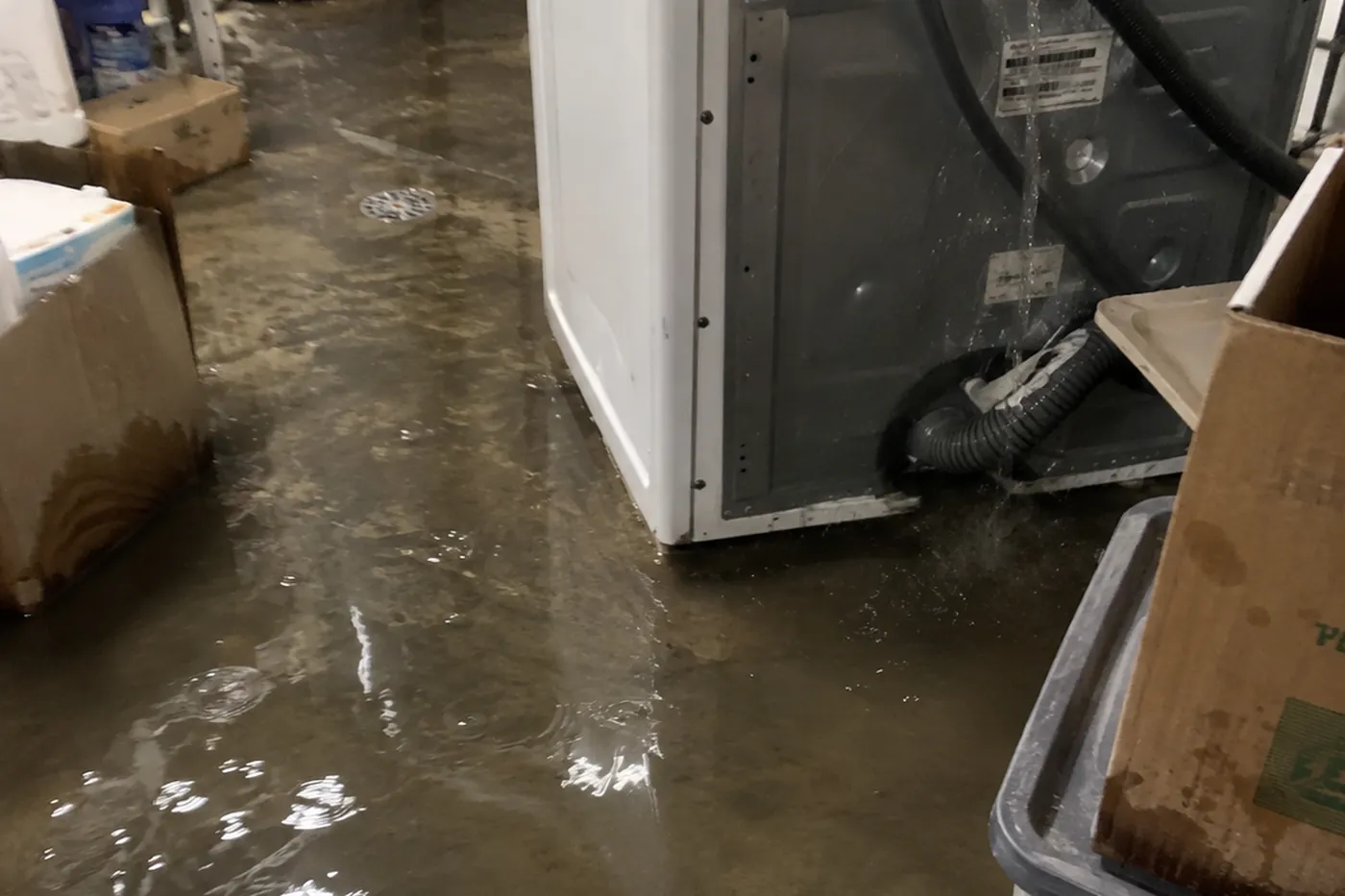
Storm water is not clean water. What it carries in changes how the cleanup has to be done and what can be saved.
(864) 515-4097 Call nowWater damage gets more expensive by the hour. Lines are answered at any time, including nights, weekends and holidays.
(864) 515-4097Useful to have ready, though none of it is required:
Upstate storms produce two different problems that get called the same thing. Water coming through a damaged roof or a failed window is rainwater, usually clean when it enters, and it behaves like any other interior loss. Water rising across the ground and entering at floor level is a different category, because it has crossed soil, driveways and whatever else is between the street and your door.
Rainwater through the roof can often be dried in place, with materials saved. Ground water that entered the building is treated as contaminated. Carpet and pad are removed rather than dried. Drywall that wicked it up is cut back above the water line. Insulation that got wet comes out. This is not caution for its own sake, it is that porous material which has absorbed contaminated water cannot be cleaned back to a safe condition.
The insurance treatment differs too. Storm-driven water through a damaged roof is usually a homeowners claim. Groundwater flooding usually is not, and needs separate flood coverage. Two neighbors with the same amount of water on the floor can have entirely different claims depending on how it got in.
The source gets addressed first, which after a storm often means temporary roof covering or boarding an opening before drying can start at all. There is no point running dehumidifiers under a roof that is still letting water in.
Then extraction, then removal of any material that cannot be saved, then drying and monitoring. Storm losses more often involve several rooms and more than one floor, so the drying plan is built around where water traveled rather than where it entered.
Sustained heavy rain here produces a recognizable pattern of calls: water finding its way into crawl spaces, backing up at blocked gutters and entering at the roofline, and surface water entering garages and basements at the door. Red clay soil drains slowly once saturated, which is why a storm that causes no trouble in a dry month causes flooding at the end of a wet one.
Calling costs nothing, and you will get an honest answer about the need for a crew and what you can safely handle yourself.
(864) 515-4097Storm-driven water entering through a damaged roof or window is usually covered. Water that rises from the ground and enters at floor level usually is not, and requires a separate flood policy. The distinction is how the water entered, not how much of it there was.
After clean rainwater, often yes. After ground water, the pad comes out as a rule and the carpet usually does too. Porous material that absorbed contaminated water cannot be reliably cleaned, and drying it in place traps the contamination in the building.
Hard non-porous items generally clean up. Upholstered furniture, mattresses, particleboard furniture and cardboard storage that sat in contaminated water are usually losses. Photograph everything before it is moved or discarded, because your adjuster will want that record.
Extraction and removal typically run one to two days. Drying runs three to five days for a contained area and longer where several rooms, hardwood or a crawl space are involved. Any roof or structural repair happens after drying, on its own schedule.