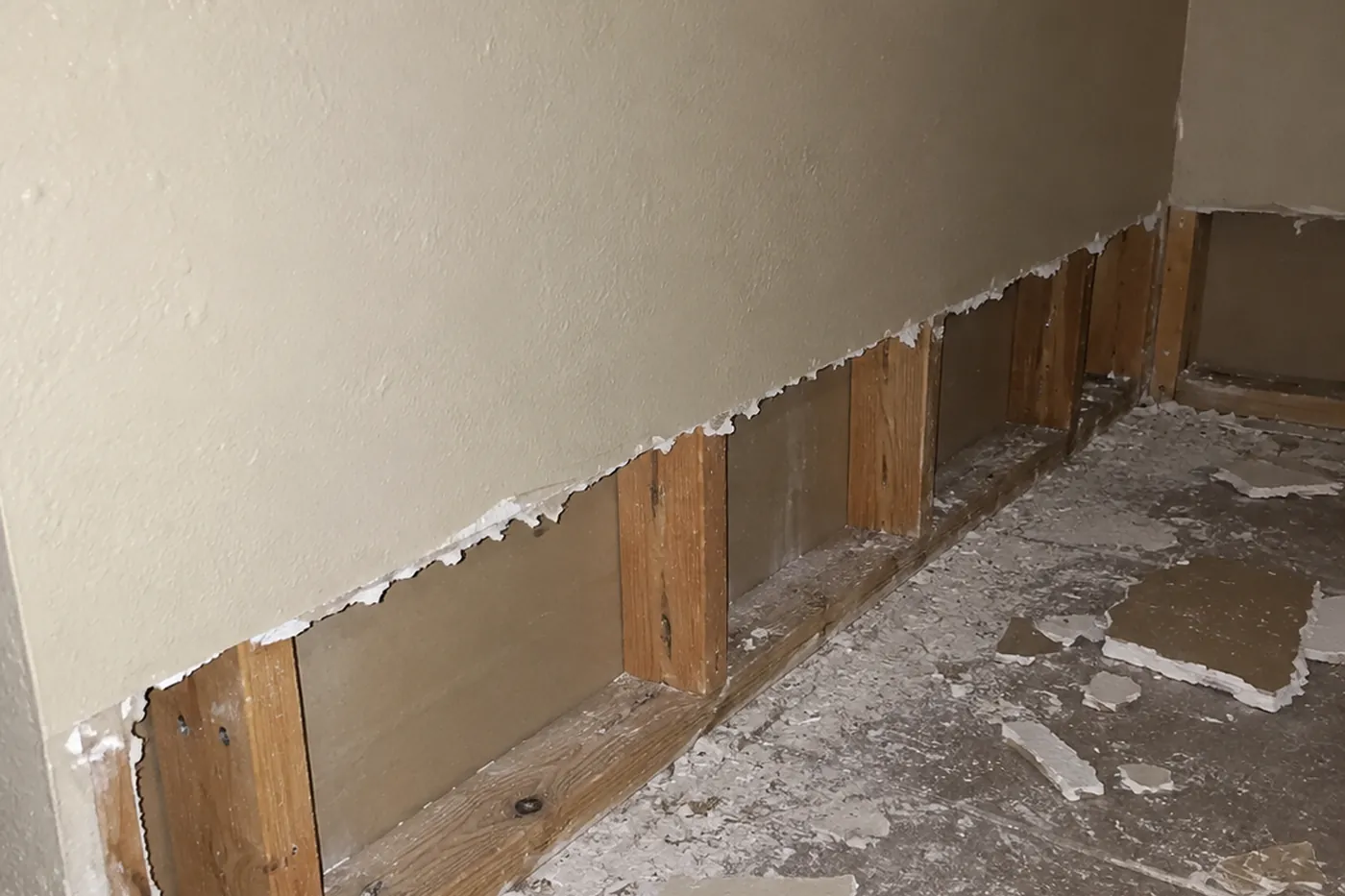
In a rental, the first hour is usually spent working out who is supposed to call somebody. Those are the same hours the damage is spreading, which is why the answer is worth knowing in advance.
(864) 515-4097 Call nowWater damage gets more expensive by the hour. Lines are answered at any time, including nights, weekends and holidays.
(864) 515-4097Useful to have ready, though none of it is required:
The general position in South Carolina is that the structure is the landlord's responsibility and the tenant's belongings are the tenant's. The lease is the document that actually governs it, and leases vary, so read yours rather than relying on the general position.
Whatever the lease says about who pays, both parties are generally expected not to let damage get worse while the question is settled. Insurance policies say so explicitly, and a landlord or tenant who left standing water for three days because responsibility was unclear tends to find that argument goes badly.
Stop the source. Photograph everything before anything is moved. Notify the other party in writing the same day, by text or email rather than a phone call, so there is a timestamp. Then get the water out.
The landlord's policy covers the building: structure, fixtures, the flooring, the walls. The tenant's renters insurance covers their own possessions and frequently pays for temporary accommodation if the unit becomes uninhabitable.
Neither one covers the other, which surprises tenants regularly. A tenant without renters insurance whose furniture and clothes were ruined by a landlord's failed pipe is often in a worse position than they expect, and pursuing the landlord for contents is slow and uncertain.
This is where a rental loss differs most from an owner-occupied one. Moisture readings taken on arrival, dated photographs, a written scope and a daily drying log give the landlord, the tenant and both insurers the same factual record.
Most disagreements after a rental water loss are about what was already damaged before, how far the water actually reached, and how adequate the drying was. All three are answerable with a record and almost unanswerable without one.
If a unit becomes genuinely uninhabitable, South Carolina landlord and tenant law gives the tenant options, including remedies around rent. What counts as uninhabitable is a legal question rather than a restoration one, and a tenant considering it should take proper advice rather than a contractor's opinion.
What we can say is factual: how wet it is, what has to be removed, how long drying will take, and which rooms can be used meanwhile.
The most expensive rental losses are rarely the biggest ones. They are the ones in an empty unit between tenancies, where a supply line fails and nobody opens the door for a week. A three-day dry-out becomes a demolition.
Shutting the water off at the main between tenancies costs nothing and removes the single most expensive failure mode in a portfolio. This is a recurring pattern in the denser rental stock around Berea and the older parts of Greenville, and it is entirely avoidable.
Calling costs nothing, and you will get an honest answer about the need for a crew and what you can safely handle yourself.
(864) 515-4097The lease governs it. As a general position in South Carolina the structure is the landlord's responsibility and the tenant's personal belongings are covered by the tenant's own renters insurance. Where the damage was caused by one party's negligence, responsibility can shift, which is another reason to document the cause early.
Stop the source if you safely can, photograph everything before moving anything, and notify the landlord or property manager in writing the same day. Keep a copy. Do not throw damaged belongings away before they are photographed, because that is usually what a renters insurance claim rests on.
That is exactly what it is for. Dated moisture readings, photographs and a drying log give both your carrier and your tenant the same facts, which tends to shorten the disagreement considerably. It also protects you if a tenant later claims the drying was inadequate.
Some of it, but the scope changes. After a week of standing water the question moves from drying materials to deciding which ones come out, and mold is usually established. It is still worth an inspection rather than assuming the worst, because what is actually wet is often less than it looks and occasionally more.