Extraction and structural drying across Mauldin, where the housing spans four decades and the right approach depends on which one your house belongs to.
(864) 515-4097 Call nowWater damage gets more expensive by the hour. Lines are answered at any time, including nights, weekends and holidays.
(864) 515-4097Useful to have ready, though none of it is required:
Mauldin sits along the I-385 corridor between Greenville and Simpsonville, and its housing reflects that position: a core of 1970s and 1980s builds with newer development layered around it.
Older Mauldin housing commonly carries crawl spaces, some original plumbing, and the shorter drying window that comes with older materials. The newer developments are slab-built with engineered flooring, which spreads water sideways and hides it. A crew arriving at a Mauldin address needs to establish which they are dealing with before deciding where to put equipment, and that is a five-minute conversation rather than a guess.
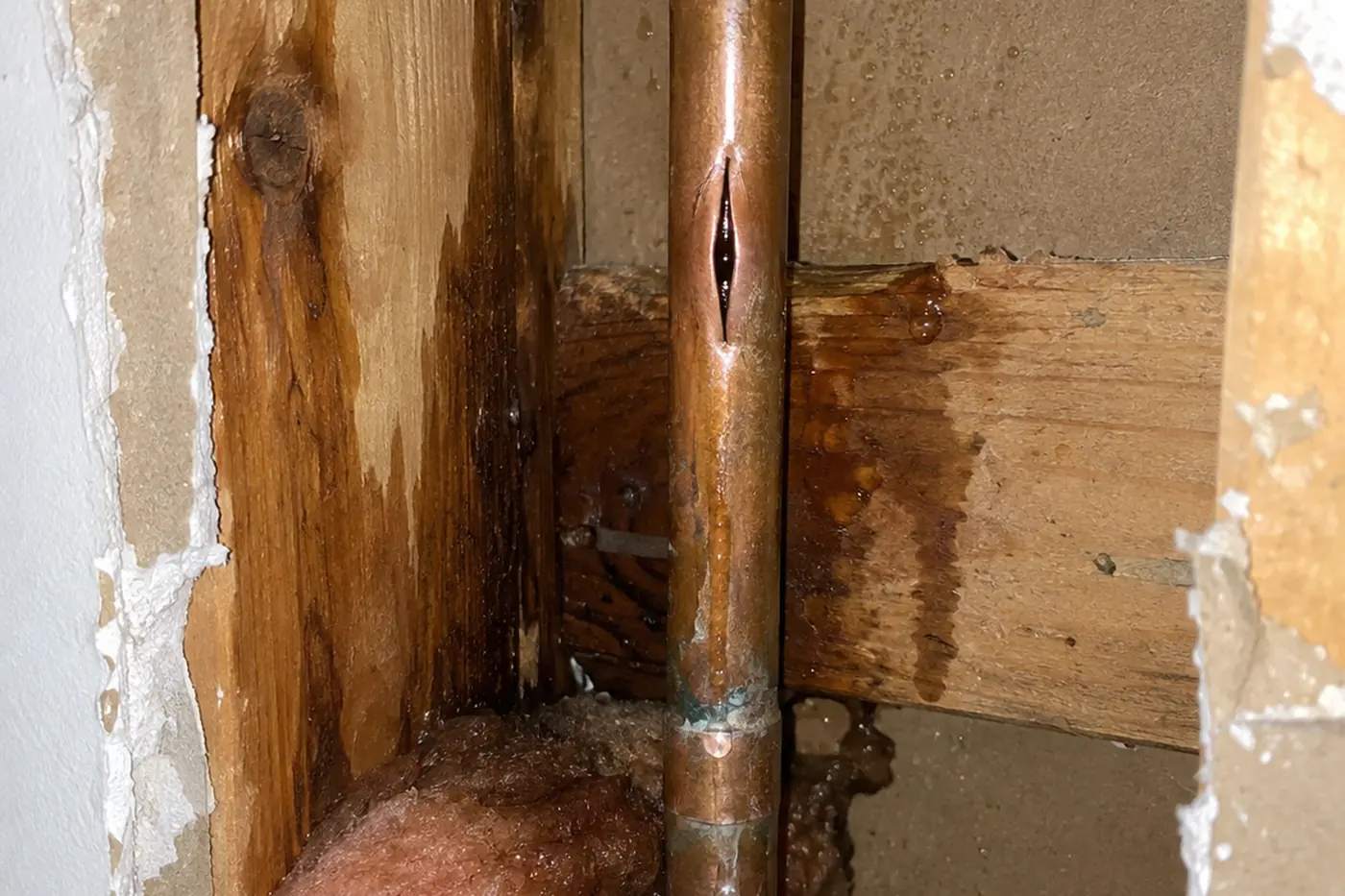
Some housing built in this area between the late 1970s and the mid 1990s was plumbed with polybutylene supply line, a gray plastic pipe that becomes brittle with age and fails without warning. If your house is from that period and still has the original supply plumbing, that is worth knowing before it fails rather than after. It is also a detail insurers ask about, because a polybutylene failure is still a sudden event and generally treated as one.
You can usually identify it at the water heater or where the main enters: gray, flexible, usually marked PB2110.
Parts of Mauldin sit lower relative to the surrounding grade, and heavy Upstate summer storms push surface water toward garages, crawl space vents and basement-level rooms. That is a different category of water from a supply line failure and gets handled differently, because water that has run across a yard is not clean.
Calling costs nothing, and you will get an honest answer about the need for a crew and what you can safely handle yourself.
(864) 515-4097All of Mauldin, including the Butler Road and Bridges Road areas, Forrester Woods, and the corridor running toward Simpsonville and Golden Strip.
Look at the pipe where the main supply enters the house or at the water heater connections. Polybutylene is gray, flexible plastic, usually stamped PB2110. Copper and PEX look and feel different. If you find gray plastic and the house is from roughly 1978 to 1995, it is worth having a plumber confirm.
Often not under a standard homeowners policy. Surface water and groundwater entering a building is usually excluded and falls under separate flood coverage. Water entering through a storm-damaged roof is treated differently. Your policy is the one that decides, and the documentation of how the water entered matters a great deal.
No. Water that has run across ground is contaminated and is handled as a category 3 loss, which means containment and removal of porous materials rather than drying them in place. It is a different scope of work from a clean supply line failure.